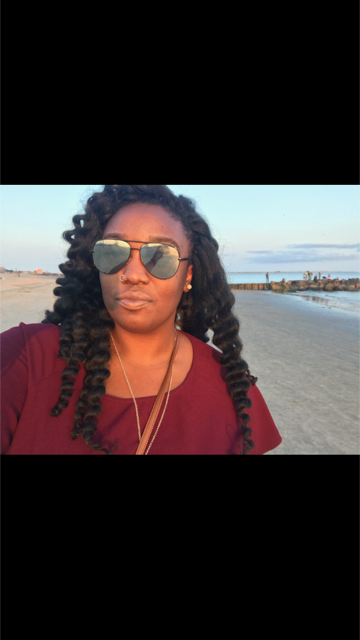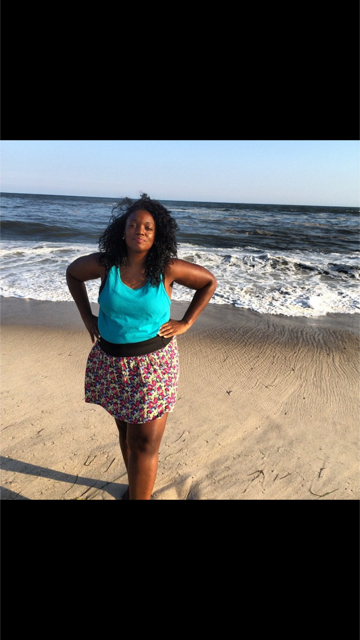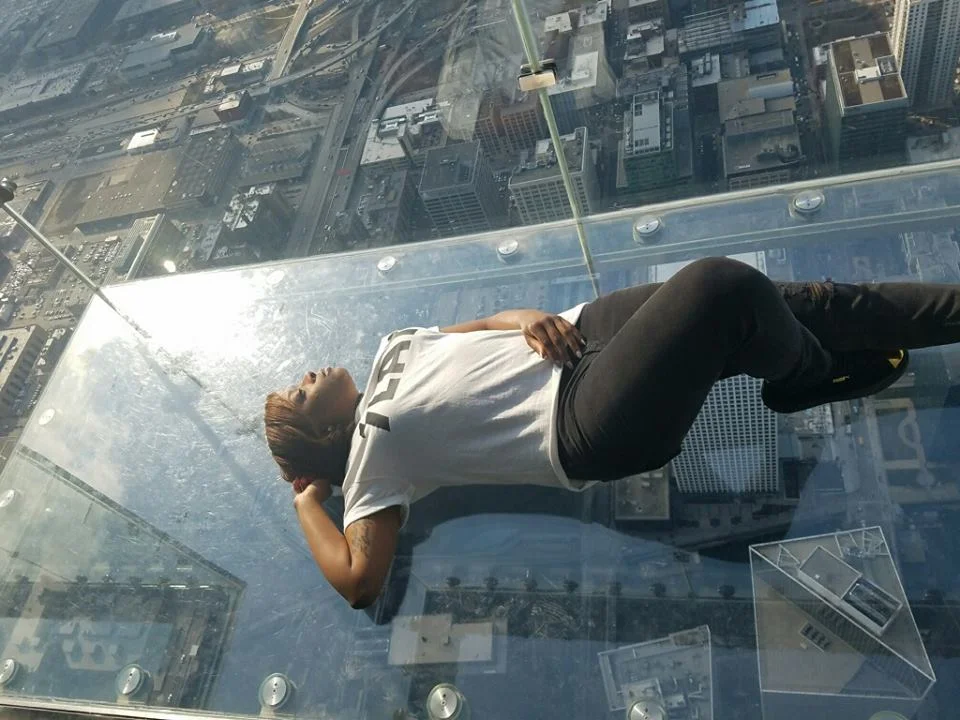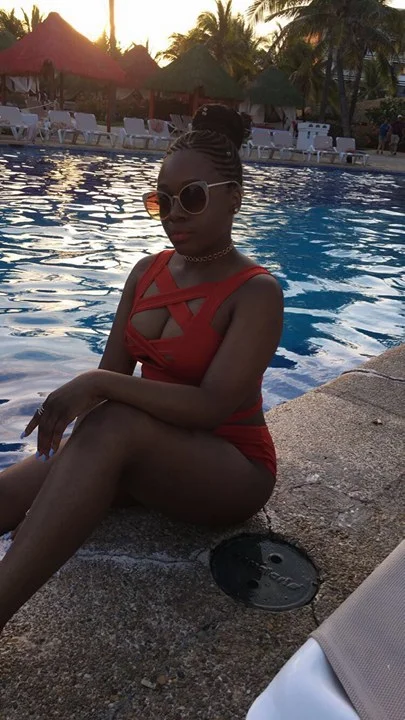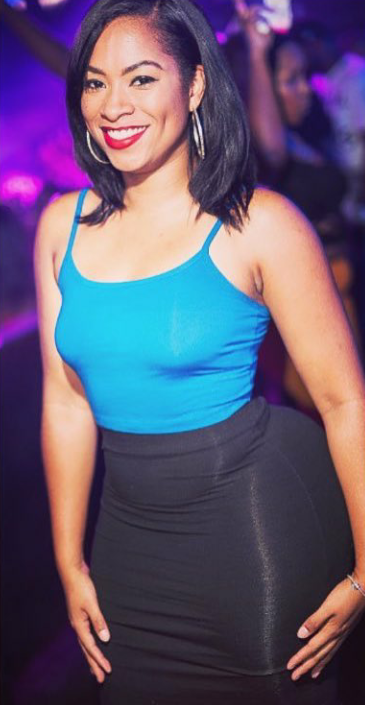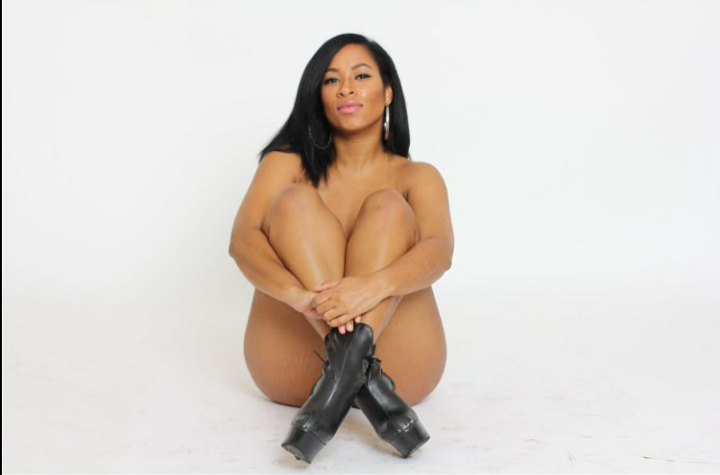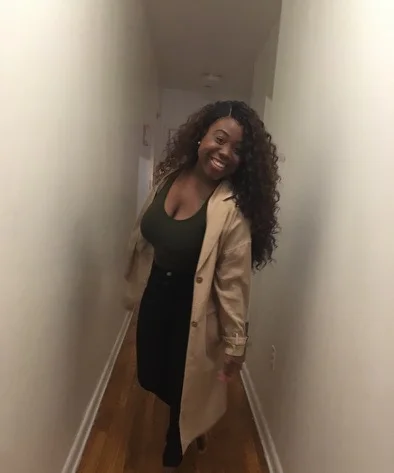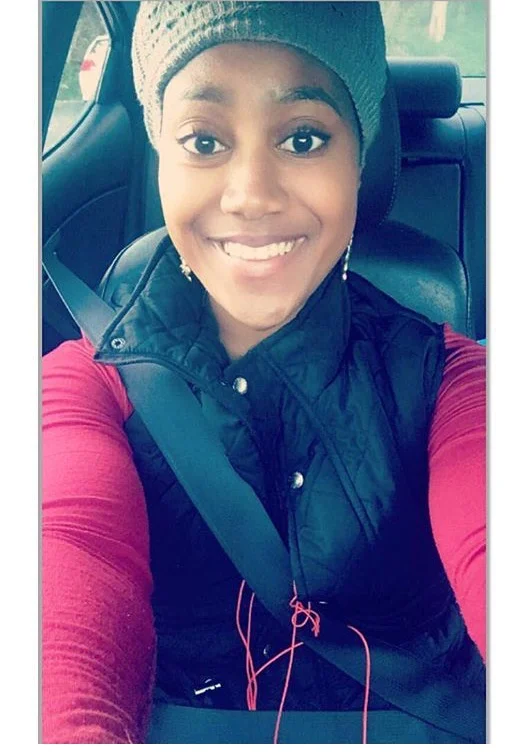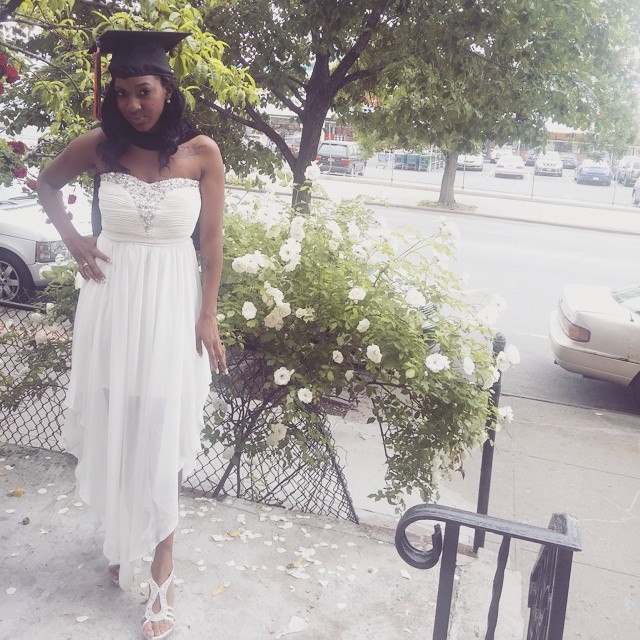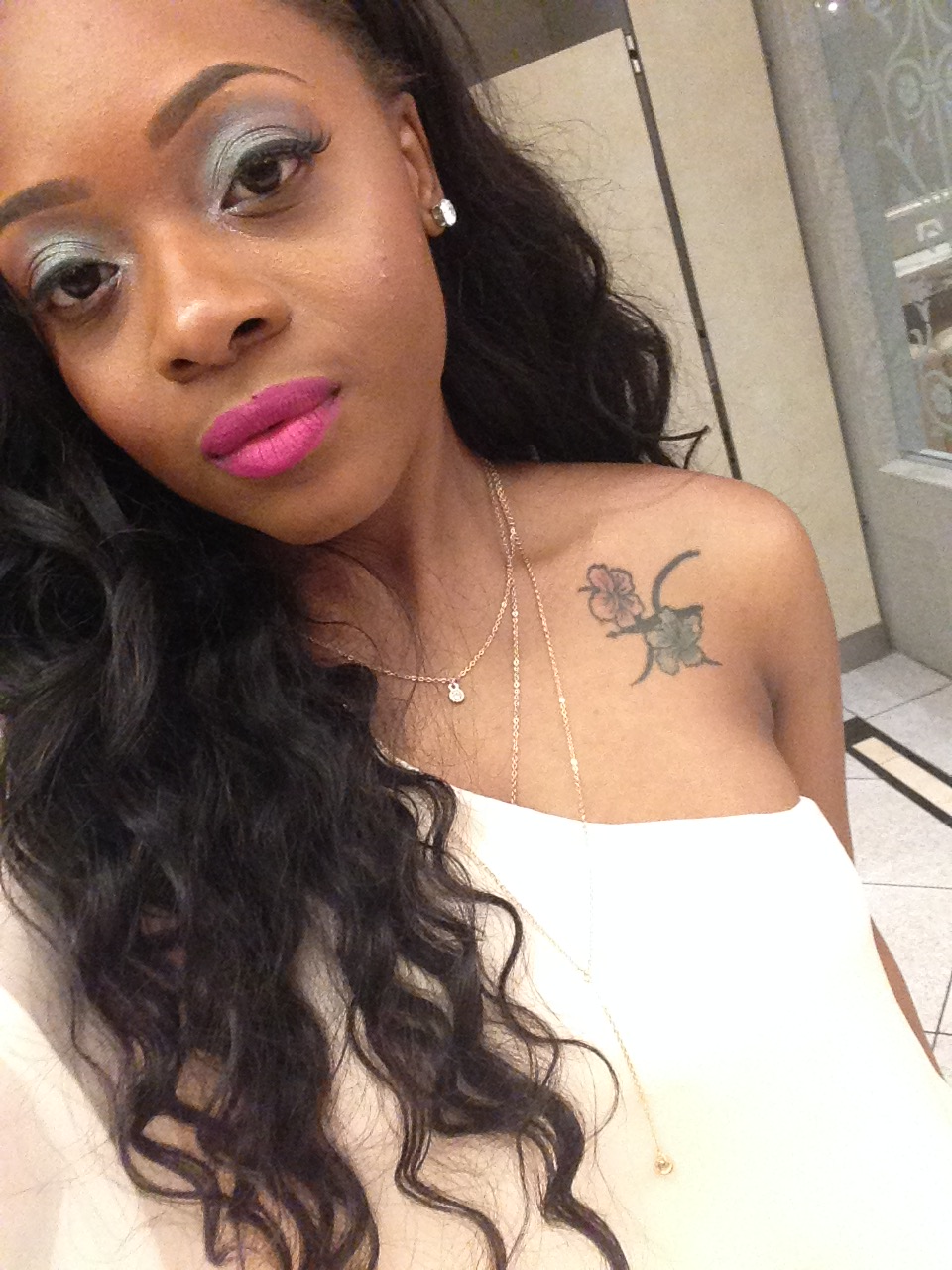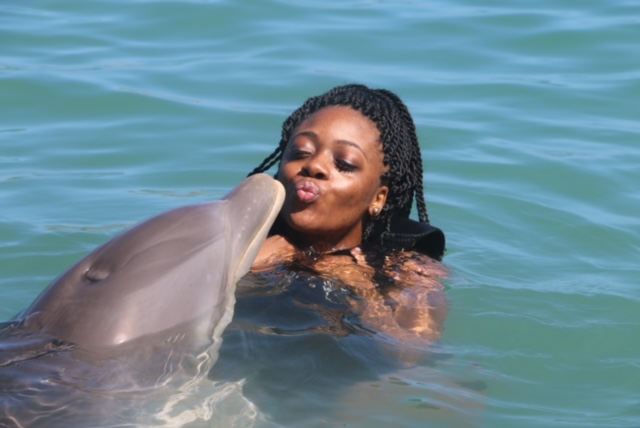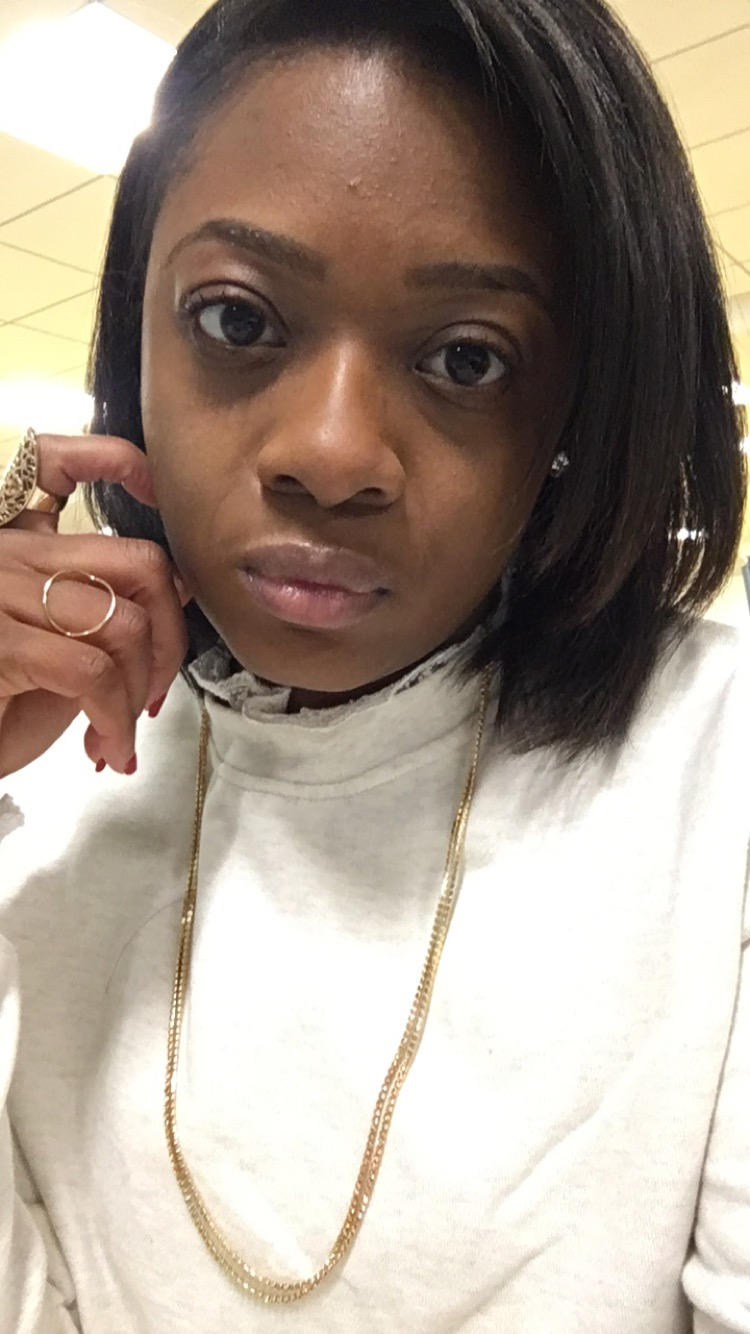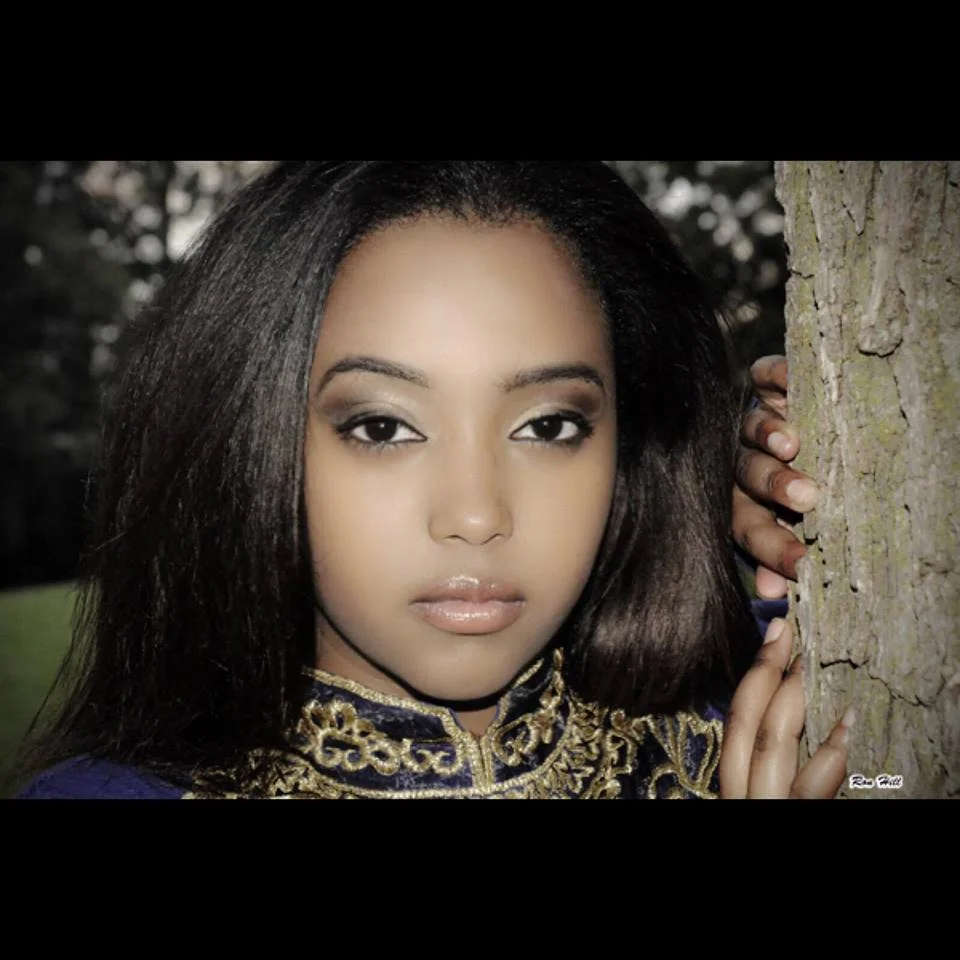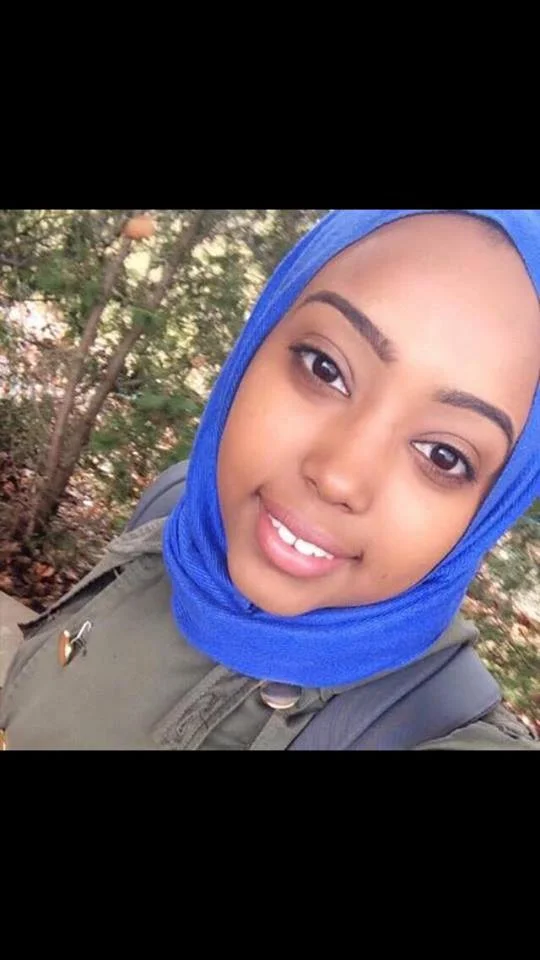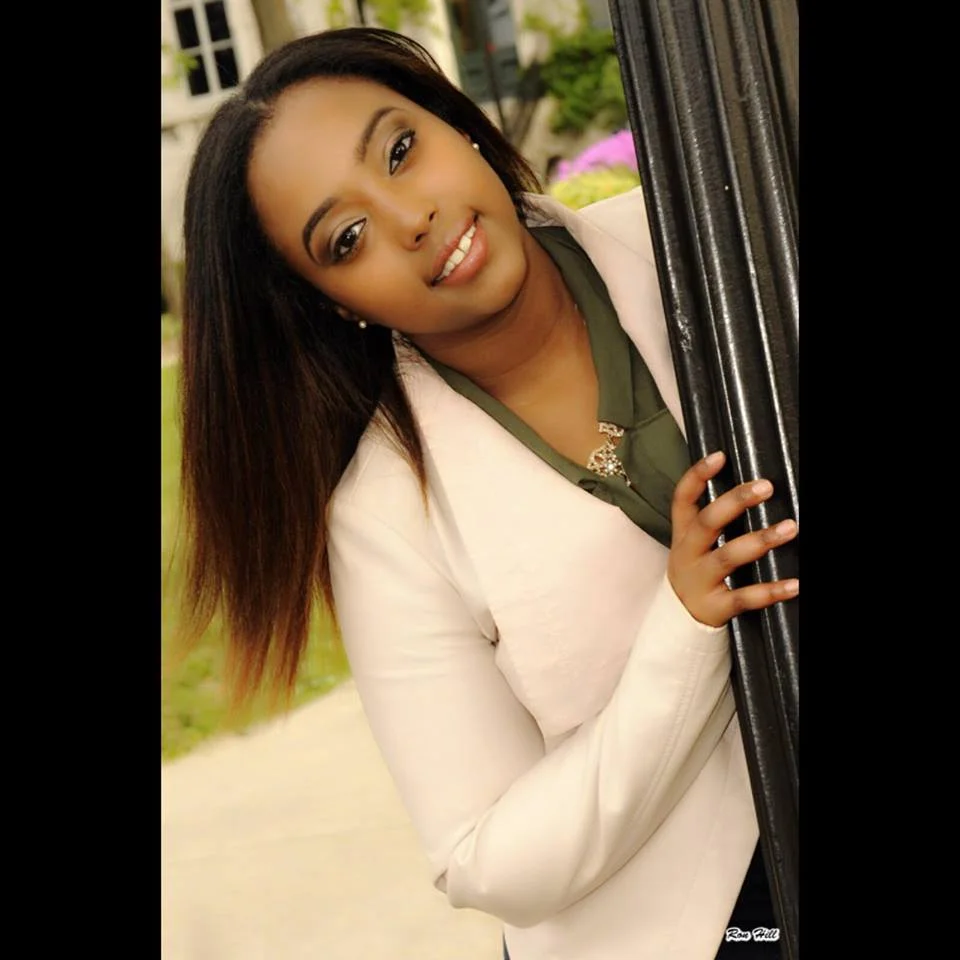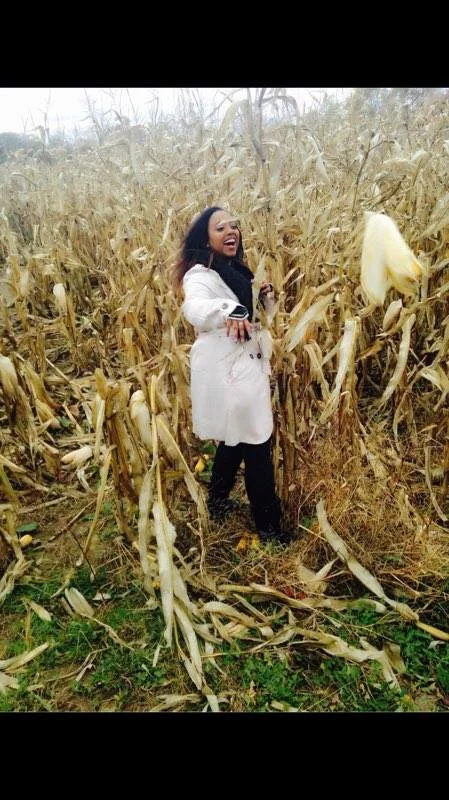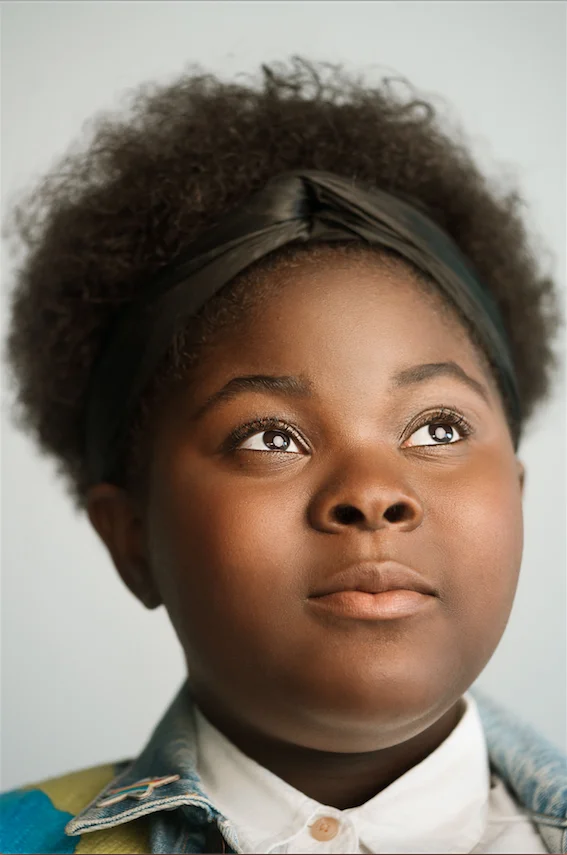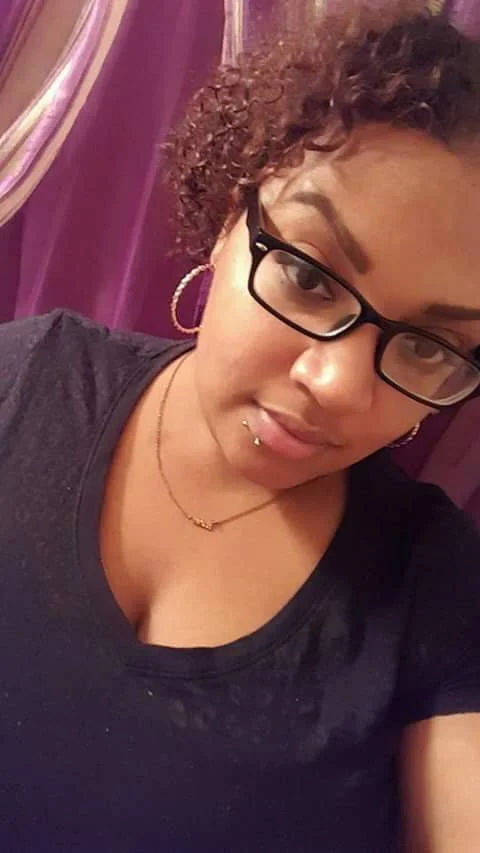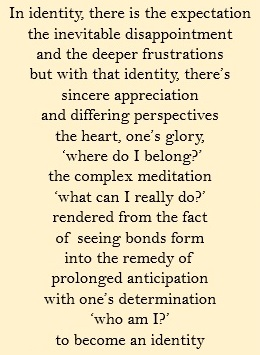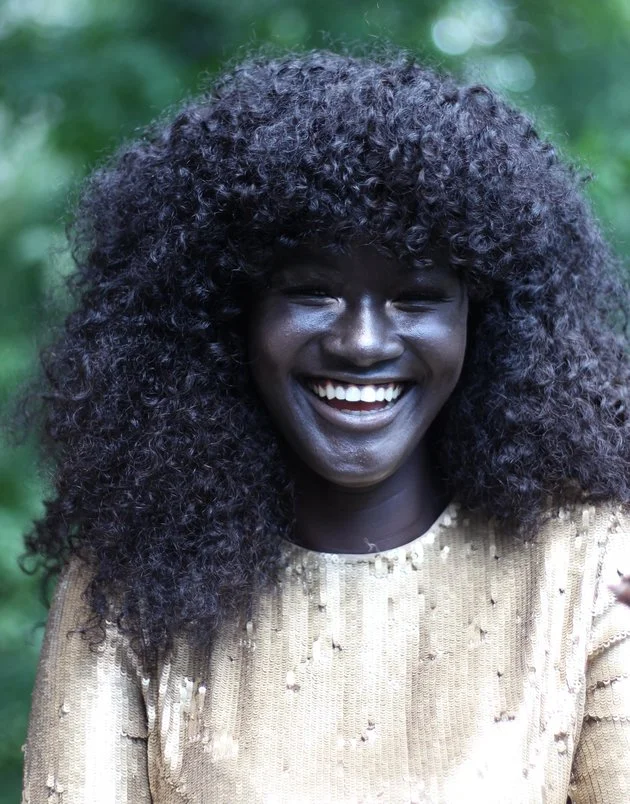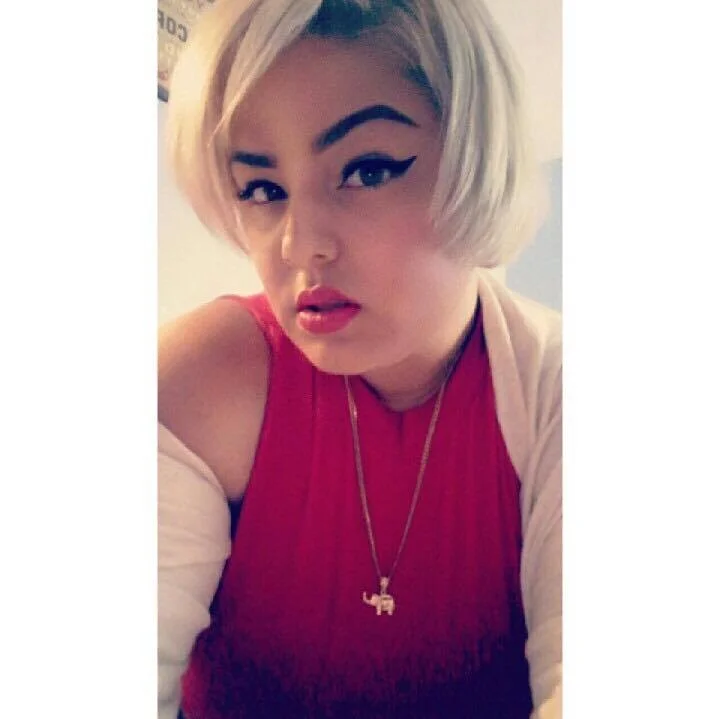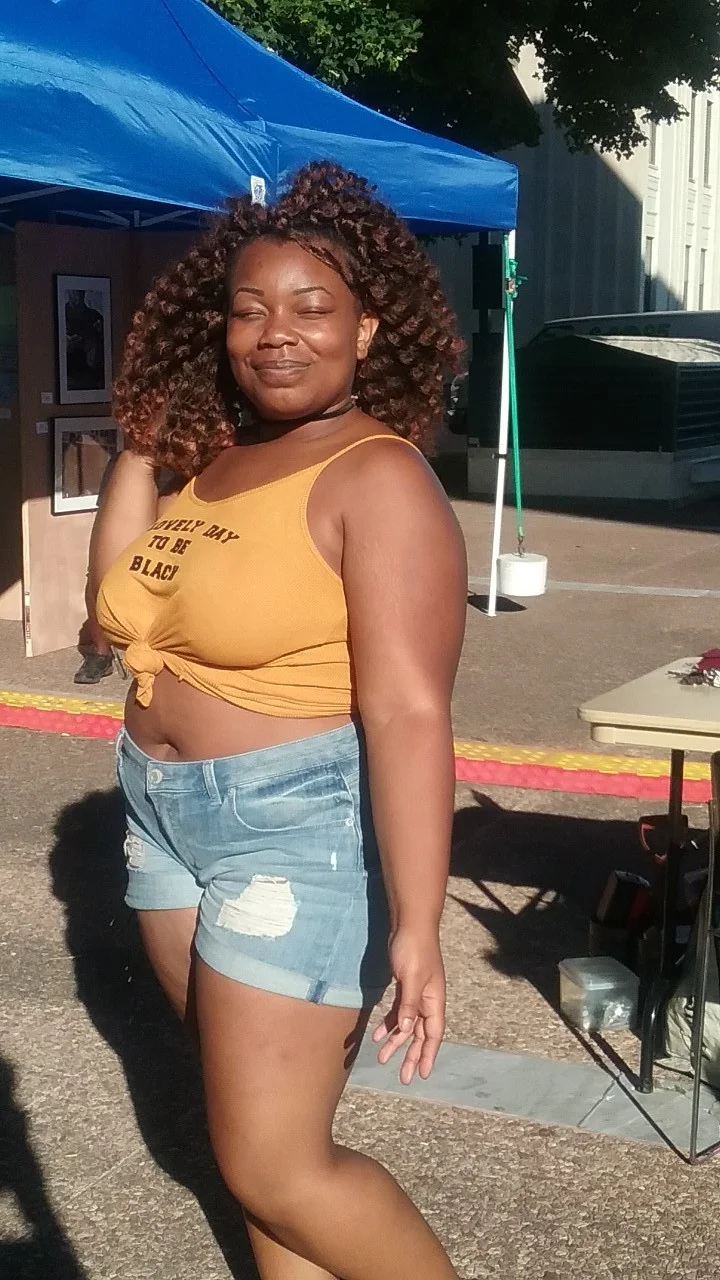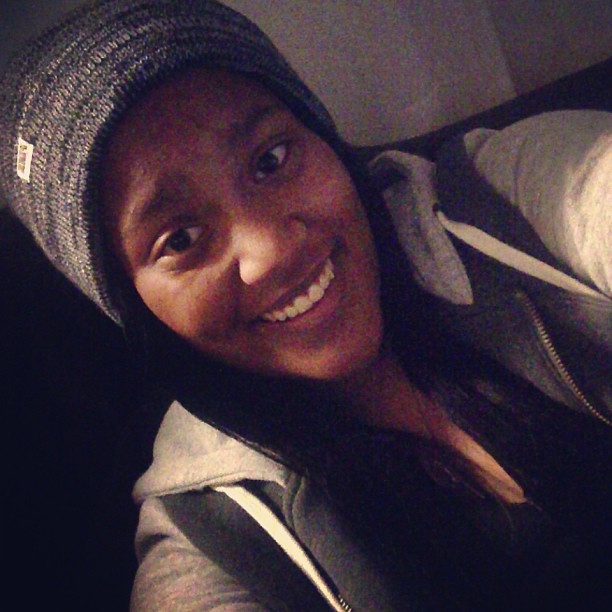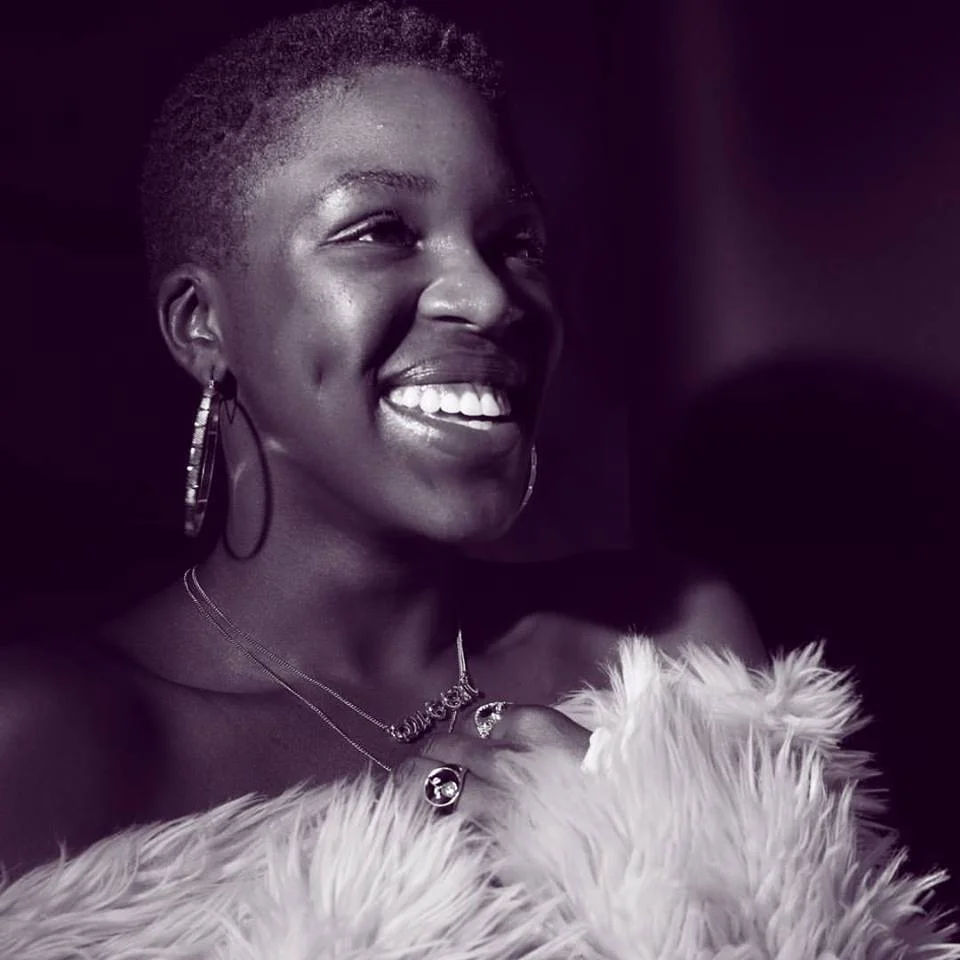
Alice Olom's interview on self love, being unapologetically black, life after graduation and so much more.
Introduce yourself: Name or nickname, age, occupation, hobbies and an interesting fact about yourself.
Hello there. My name is Alice Olom. Some people call me Queen. You can call me “Alice” or “Queen”, I answer to both. (This is not to be confused with “Queen Alice”. I don’t respond to this because it makes makes my name more of a title. I’ve always said that “Queen” is a not a title, but a lifestyle, and referring to me as “Queen Alice” doesn’t hold me accountable.) I am 22 years young, and I recently graduated from Le Moyne College with the highest distinction of honors and got my Bachelors of arts in Political Science. I am in love with the arts and participate in what I can. My hobbies include photography, knitting, dancing, walking and music. I didn’t include singing as my hobby, because it has become more of my way of life. Singing is a part of what makes me who I am. An Interesting fact? In a span of 6 years I’ve traveled all over the east coast singing and performing for various events, people and places. They include Yankee Stadium with Pink Floyd, Madison Square Garden, Broadway Stages, Disney World...just to name a few.
Since graduating, what have been your plans?
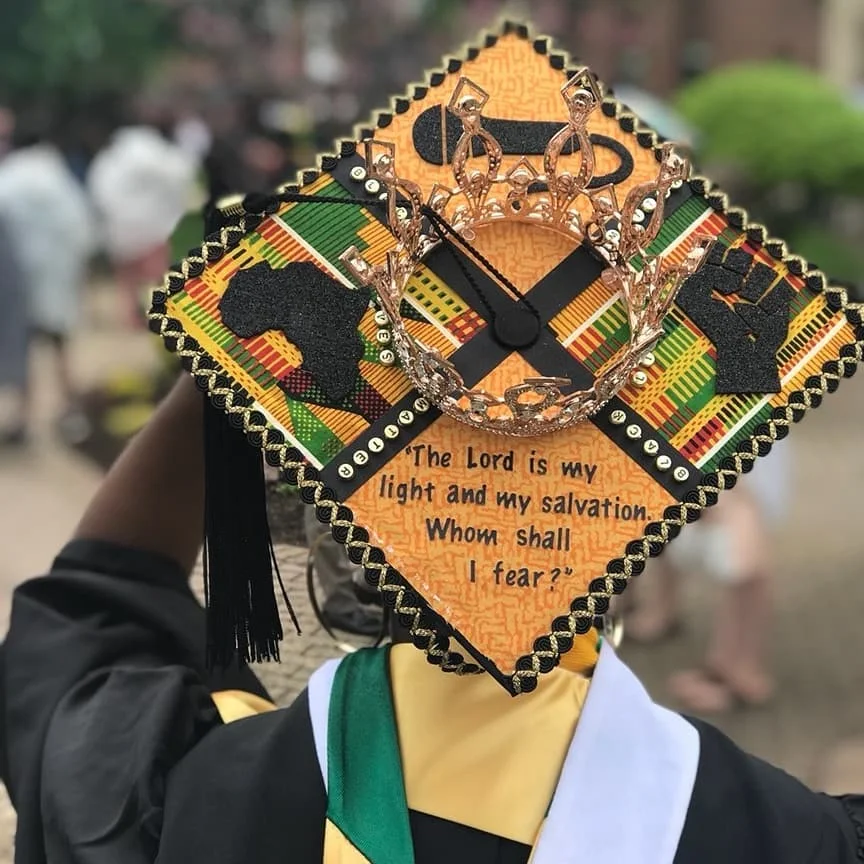
Since graduating though, I have found that the plans that we have and the path that we actually go on is more often than not very different, especially if you take into account race, geography, circumstances, degree and support ( just to name a few.) My plans have stayed the same, but God’s plan takes over all the time.
But I also think that we should be more honest about the post graduation process and how it is extremely glorified and an uncomfortable transition. I feel like there isn’t enough weight on the hardships of applying to jobs or how to pay for grad school while still paying off student loans, how to deal with student loans six months after graduation without a steady job in place, the depression, anxiety and insecurity of not being able to find a job. Now for some people, it isn’t all bad, but it is very uncomfortable especially for someone like me who has been in school and excelled in it all her life. Now I get asked “What’s next” and I find myself trying to find the words to say “I’m trying to figure out HOW to get to “what’s next” or trying TO figure out “what’s next” because I had a vision of a dream that it would be easier to get to my initial “what’s next.” For me, this space of not knowing is uncomfortable, but my faith in God has strengthened. I have had to learn that God’s plan for me will ALWAYS come first.
The Peace Corps at this time in my life did not work out, but I will reapply sometime later in the future. I did apply to Americorps though which is another volunteer-based service stationed in the United States. I hope to work with the youth and be a mentor, basically the same thing I was going to do in the Peace Corps. I still have plans to go back and obtain a Masters and probably even a doctorate after I take some time off. I am still planning on studying international relations and becoming a diplomat and eventually an ambassador. So stay tuned!
What are you passionate about? Who inspires you?
This isn’t an easy question. I am passionate about many things; music, social justice, human rights, my cultures, truth, love, life, God… and more. I feel deeply and strongly, so when a passion becomes a passion, it becomes so much a part of me and it is exuded in everything I say, do, and think.
But, If I had to pick one, I am passionate about God. I am passionate about building strong relationships with him and being very intentional about it. I am passionate about the work I do for him and in his name and my faith in him and his love for me. God is a subject that I can go on about because he is so complex and yet so simple. God is my everything
Who inspires you?
Malcolm X because of his courage passion for truth and justice. He loved our people so much and wanted us to rise and be the great people that he knew we were always meant to be. I share this same passion and love.
Maya Angelou- A beautiful thinker. Awesome author. Great woman. As powerful and famous woman as she was, she never acted as though she was better than anyone or that she was always so modest or followed all the rules. The woman was a prostitute for goodness sake, she was a teenage mother and still, look at the legacy she left behind. She never hid where she came from, and even in her old age, embraced all that she was because she realized that all of it contributed to who she was. Everyday I remind myself to be honest, open and comfortable with myself the way she was.
Lauryn Hill- That woman is a musical genius. Her mind is wonderful. I honestly believe she is ahead of her time. I love her voice, her musicality, her thought process. Musically, she is who I want to be.
My mom and dad- They are quite the pair, but they have taught me so much about our history, our culture and how to navigate life based on their experiences. They have really helped shape me to the woman I am and will continue to grow to be.
Is there anything about your race, ethnicity, gender, religion, etc. that motivates you?
All of the above! To be black is to be powerful and resilient. Even after everything black people have gone through ( not just in America) and are still going through we have always risen up. We can’t be broken. I am reminded of this when I get tired and fed up with how my people are being treated on a day to day basis. Because so many people have fought to get me this far, I too, shall continue fighting for those after me. “We shall overcome” right? Add being an African woman: Ghanaian and Nigerian. Being so close to my motherland gives me a sense of pride. I am connected to traditions, values, morals and a culture that unfortunately has been robbed from so many people. I recognize the strength of West African women in me and how, even in their silence, they always fight for better. The saying “It takes a village” reigns true in the West African community. Many women have adopted me as their daughter, granddaughter,niece, cousin and sister. They have all had a hand in teaching me about who I am and who I have the potential to be. Being part of the village motivates me to create my own village, which I have been subconsciously creating since my teenage years. I have and continue to adopt people from all walks of life and place them into my village. In this village ,I try as much as I can to share my West African roots in hopes that though many were robbed of the privilege of knowing exactly where they came from, they can at least feel the life the Motherland continues to provide its children even from afar.
*Please note that I, personally consider Black to be synonymous with African because I am both.
Finally, my Christian faith is the reason why I always see the glass being able to be filled again rather than half empty or half full. Knowing that I am protected and part of something bigger than myself allows me to live a life conscientiously and without limits. I know that when I hit a roadblock, a mountain, a trial or test, it’s God’s way of telling me that 1- I don’t have to do any of it alone and 2- When I get to where I’m supposed to be, I will realize why all of those things were in my way. My faith humbles me and motivates me to keep going. This is why Gospel songs are my specialty. They’ve helped me through so much and remind me daily of whose daughter I am and the power I am given because of that.
You are unapologetically black. Many people don't understand or is intimidated by this. Why is it important to maintain this attitude/ lifestyle?
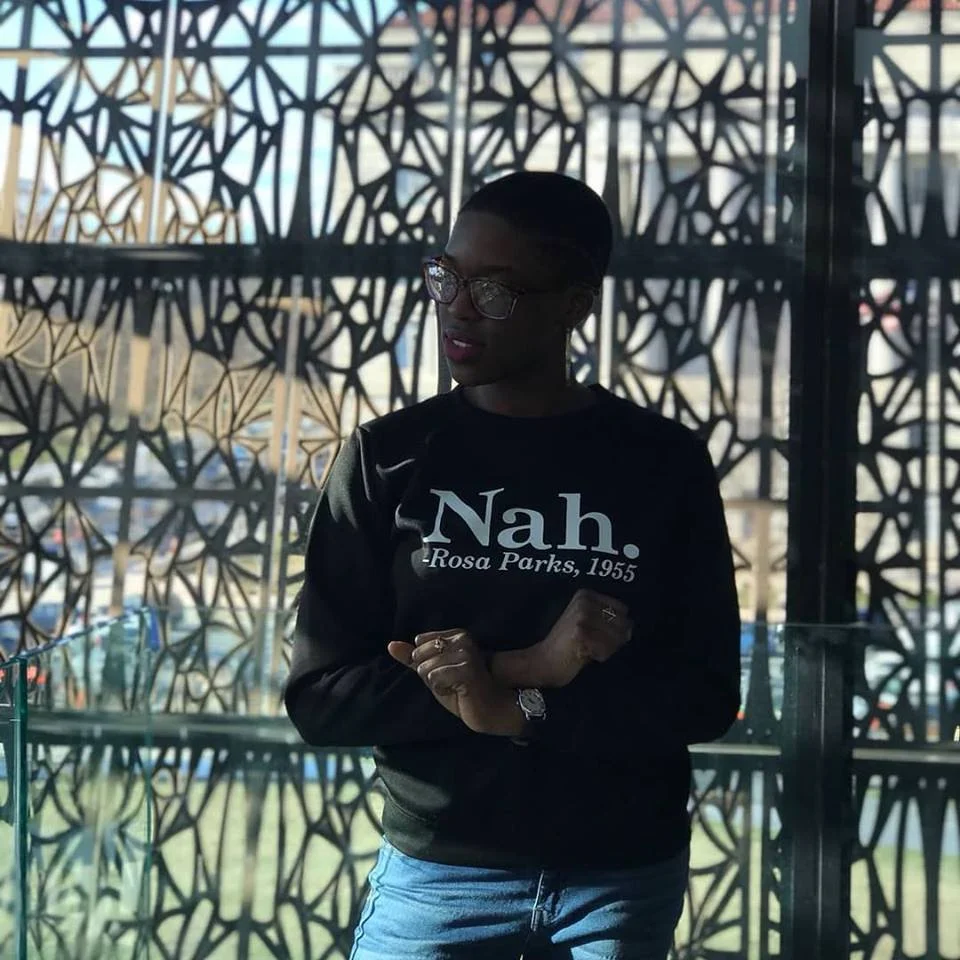
For so long I hated my blackness. When I was younger (and dumber), the color of my skin was a hindrance to me. It almost felt like a disability. There were people around, in my development as a child that made me feel that because of my brownness, I deservedto be used and abused. As I grew, mentally, emotionally and physically, I had to heal from that. There was nothing I could do to be any lighter than I am. (And trust me y'all, I tried. I tried bleaching at one point, I put powder all over my body, crushed up chalk and rubbed it on myself… I was committed.) When I was adopted into a village (remember when I said this?) people around me, owned their blackness. First of all, their hair was divine! And their features were so beautiful and big and versatile and rich and strong. I realized, it all came with being black. Then, I learned about our history and feel angry but proud at the same time and I look around today and see that black people never left and they never will. I am part of a people that makes history, start trends, give birth to legends, and invent cultures even though everything around them tells them they can’t.
Now, I am, as they say, “unapologetically Black”. Why? Well why not? I am part of the gum popping, hair flipping, waist whining, strong textured hair, basketball playing, dance and step participant, rap, R&B, soul, gospel, and hip hop culture. I am here for all the nerdy black men and women who immerse themselves in different cultures because they love anime or different comics. I am here for the little girls jumping double dutch and wearing their puffs or cornrows and instantly know how they feel when I see their edges have been pulled to get the braids and ponytails all neat. I am for the black bookworms and eloquent entrepreneur men and women who “make it out of the hood” and then give back to the same hood that made them. I am here for the thousands of shades of black that makes up the culture and race and I am here for Fenty Beauty for recognizing the thousands of shades and catering to as many of them as she can. I am for the power in Tupac’s lyrics, the sultriness of Erykah Badu, the soulfulness of Jill Scott, the versatility of Beyonce, the experiences of Kendrick Lamar and more. I am here for every black stereotype and “exception to the rule” and “not black enough to be” and “too black to not be”... I must maintain this unapologetic nature because that’s exactly what I am. Unapologetic. I now LOVE being black and I am so sorry that there was a time in my life that I didn’t want to be. Now I spend my time making up for lost time. I educate, I immerse myself in the culture, I own my blackness… But remember, I am also African, so there are some experiences that I will never understand or be involved in because I don’t understand. So it is important to sometimes also for me to take a step back and listen. Listen to what it means to be black anywhere. Respect it, reflect and appreciate it. Let them(us) speak when they (we) want to and need to speak and (I) you… just listen. Eventually, they mesh so well together that it stops being about “unapologetically black” and becomes being “unapologetically me.”
Consistent themes and works (art, songs, poetry) you've seen this last year that speaks to you?
Women. Black women specifically. They have become my consistent themes and works of art, especially in the past two years for me. I have become more and more aware of the hypersexuality of black women and have worked hard over the years to diminish that. In doing so, I see just how beautiful black women are, physically, emotionally, mentally, spiritually etc. The strength, resiliency and power of a black woman’s voice is enough to give me goosebumps every darn time I think about it, let alone hear it. The stories I see on their face, especially in their eyes, breaks my heart and instills a sense of pride in me simultaneously. The versatility of black women's bodies puts me in a euphoric state. Black women are poetry. They are music. They are art.
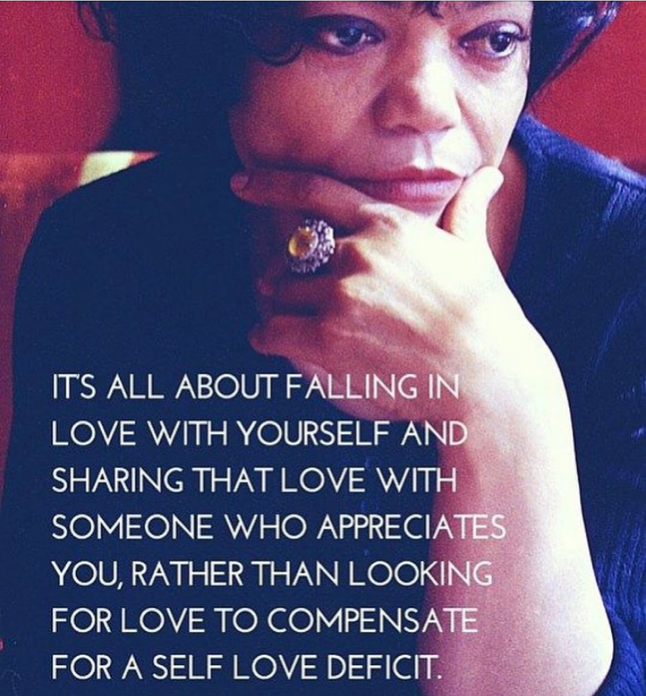
How do you practice self love and why is it important?
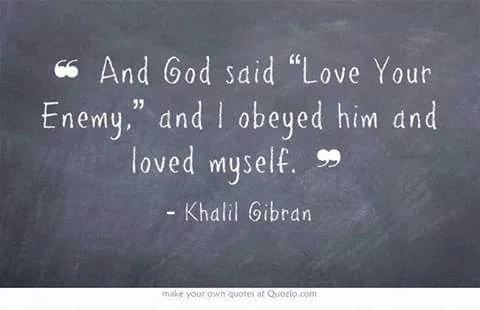
Last summer I’ve adopted the saying “Protect your Peace.” In the New Testament, there’s a story of how the disciples were in a boat during the storm. Jesus was sleeping down on the bottom and they woke him up screaming and panicking asking how he could sleep during such a tumultuous time. He got up, went to the front of the boat and said “Peace be still.” He could’ve told the individual forces that made up the storm to stop, but he spoke to the entity of Peace. If he would have told the waves to calm down, there would still be a problem of the strong winds. If he told the winds to calm down, there would still be a problem of strong rain and so on. He recognized that Peace was troubled, therefore everything else was troubled, so he went directly to the source of the storm and told it to be still. In our lives, we tend to look at things individually. Sure, we understand they all make up the different events in our lives but when we tackle the difficulties we try to fix one part thinking it’ll fix everything. Temporarily it does, but the source of that problem is still there and oftentimes, that problem is within us. It’s our peace. My self love ritual is Protecting my peace. I am aware of negativity, but I don’t let it consume me. When I know there is something that will trouble me or bother me, I don’t look or engage myself in/with it until I am ready and sometimes that time is never. I appreciate my environment a lot more now. I take walks and actually look around and appreciate things. I enjoy my alone time everyday. It is a time to reflect and just Thank God. I listen to music. I try not to worry...about money, time, space… I breathe. I make time for friends and family. I enjoy my hobbies. I enjoy everyday like it will be my last and when its not, I do it all again. It’s all very simple and easy things that we take for granted, especially as we get older. We get so consumed in thinking about making money and trying to make sure we get to where we need to be that we forget about the present. We find ourselves thinking of easier days when we were kids and wanted so much to grow up and now, we’re thinking we want to be kids again. It’s okay. Be a kid at least once a week if you can. Go to the park. Color. Play double-dutch. Watch a movie. Be comfortable in silence. Make Noise. Take care of the inner you. Protect your peace. I know it’s easier said than done because there aren’t enough hours in a day, but once you find your inner peace and protect it, you’ll realize how much we worry about things we can’t control and how miserable that makes us. Remember, God doesn’t make any mistakes and he knows your potential so believe in yourself and know that he’s going to take you where you need to go. Enjoy the ride on the way there.
What do you want your legacy to be?
In my high school yearbook, my senior quote was something along the lines of “When the world starts to move, I want people to say that Alice helped move it.” I think that was inspired by something Al Sharpton said… probably in an interview with Oprah. I’ve always wanted to be a world changer/mover and for a long time, people around me thought I would do that as a politician. I probably won’t be a politician, but somehow, someway it will happen. It may be through singing, or diplomatic efforts or humanitarian efforts or whatever, but when it’s all said and done, someone, somewhere is going to say “Alice helped move this.”
This is not to say that I do all that I do to be recognized. In Fact, that is far from the truth. I was thinking more in terms of how legends opened doors for so many that case after them. In a documentary on Whitney Houston, someone said that there wouldn't be a Beyonce if there was no Whitney Houston. If Denzel Washington didn't work as hard as he did to break the glass ceiling, who knows what the industry would be like for black male actors. If there was no Marcus Garvey, Frederick Douglass, Malcolm X, Rosa Parks, Alice Walker, Nina Simone, Martin Luther King Jr., Michelle Obama would there be a Barack Obama? That's the kind of world changer I aspire to be. I want to work so hard that more doors are opened for people who look like me. After all, we must have some kind of supernatural type of power because then why would the world try so hard to keep us down?
Lada: Ive been sitting on this interview for almost a year and I am so happy to release it at this time. Im so happy I know Alice and appreciate her beyond measure. Shes such an amazing, talented, woman with so much to offer those around her and to the world. Alice, thank you so much for this amazing interview <3